Our
Story
Sometimes, the things that affect us most are the things we don't talk about.
I never expected pelvic health to become such a big part of my life.
After menopause, things gradually started to change. At first, it was just a little more urgency and a little less control. Nothing that seemed particularly concerning. Then, without really noticing, I started keeping pads in the house "just in case".
Before long, wearing one every day had become normal. I didn't necessarily need to use the toilet more often. It was more about getting there in time. I would find myself hurrying to the bathroom, crossing my legs and hoping I would make it before anything happened.
Most of the time I did... Until I didn't.
I tried the things I was told would help.
I spoke to my GP and was advised that changes in oestrogen after menopause can affect the bladder and urethra. I tried vaginal HRT, hoping it would make a difference, but unfortunately it didn't resolve the problem. I was then referred to the bladder and bowel service. The nurse was kind and reassuring, which made talking about something so personal a little easier.
I was advised to do pelvic floor exercises three times a day for six weeks. I did them in the car on the way to work, sitting at my desk, at lunchtime, on the way home and before bed. But, like so many people, everyday life got in the way.
A few days became a week. A week became several weeks. Eventually, I found myself approaching my next appointment feeling guilty that I hadn't managed to keep up with the exercises. I started again.And then life got in the way again.
That's when I decided I needed to look for another option.
Discovering HI-EMT.
I started researching pelvic floor treatments online and quickly found myself completely absorbed in the world of pelvic health technology. That's when I discovered HI-EMT treatment.
The idea immediately appealed to me. The technology could stimulate the pelvic floor muscles through electromagnetic energy, creating powerful contractions while you simply sit comfortably in a chair.I decided to try it for myself.
My first experience wasn't quite what I had hoped for. Although I could feel that the technology was working, I didn't feel that the treatment was as personalised or closely monitored as it could have been.
I continued with treatment, but eventually experienced a significant episode of leakage that left me feeling incredibly disappointed and frustrated. It made me question whether the technology was right for me. But the more I learned, the more I realised something important.
It wasn't necessarily the technology that was the problem. It was the way the treatment was being delivered.
That distinction changed everything.
I wanted to understand the technology properly.
I continued researching and tried HI-EMT treatment again in a different setting. Once again, I could feel the muscles responding. I could see the potential in the technology, but I also became increasingly interested in what good treatment should actually look like.
-
How should the treatment be personalised?
-
How should intensity be approached?
-
How should progress be monitored?
-
What happens when everyone's pelvic floor is different?
The more questions I asked, the more determined I became to find the answers. And eventually, I had a thought:
If this technology had helped me, could I create a service that delivered it in the way I would have wanted to receive it?
That was the beginning of The Pelvic Therapy Suite.
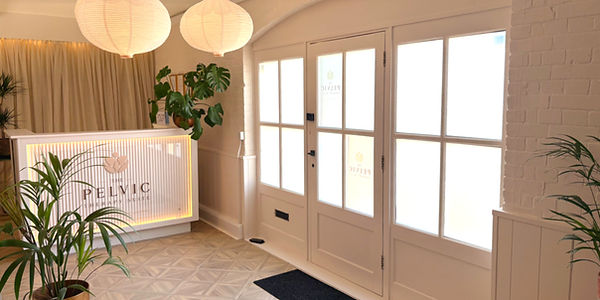
Why I opened The Pelvic Therapy Suite.
I wanted to create somewhere completely different.
A private, calm and welcoming space where pelvic health could be talked about openly, without embarrassment or awkwardness. A place where you aren't rushed through the door. Where you can ask questions. Where someone listens.
And where your treatment is approached as an individual experience rather than a one-size-fits-all programme.
I wanted people to feel comfortable from the moment they walk through the door.
Choosing the right technology.
I spent a great deal of time researching the different pelvic floor technologies available before choosing the Ultra Tesla Seat.
For me, it was important to have a system that offered flexibility and allowed treatment to be adapted according to individual needs.
The Ultra Tesla Seat offers a range of programmes and allows the intensity and progression of treatment to be adjusted. This gives us the ability to take a more considered approach rather than simply using the same settings for everyone.
That matters because pelvic health isn't one-size-fits-all. Every person is different. Every pelvic floor is different. And everyone's journey is different too.
I also wanted to make sure I fully understood the technology and the pelvic floor itself. I undertook training in HI-EMT technology, pelvic floor function and treatment protocols so that I could provide the knowledgeable, careful and personalised service I had been looking for myself.